 HackerTube.runGood videos, with context.
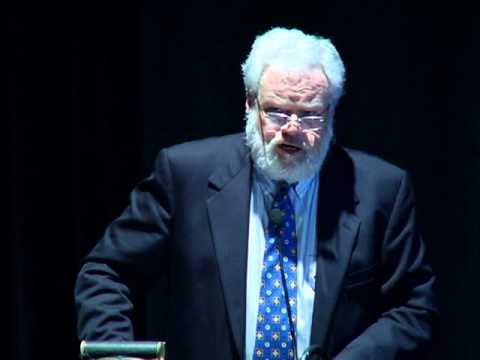
Why our generals were more successful in World War II than in Korea, Vietnam or Iraq/Afghanistan
About this video
Thomas Ricks's Nimitz Memorial Lecture at UC Berkeley asks why US generals did better in World War II than in Korea, Vietnam or Iraq and Afghanistan. A central point is the WWII practice of quickly reassigning or relieving underperforming generals.
Why it appears in the archive
Used in hiring and management debates as an analysis of fast evaluation, quick dismissal without stigma, and the cost of keeping underperformers.
AI-generated summary and labels from the source dataset; verify important details against the video. Source & credits.
From the Hacker News discussion
Possibly the best analysis of this I have yet seen is the video Why our generals were most successful in World War II that in Korea, Vietnam or Iraq/Afghanistan: [VIDEO] Essentially, the answer is the hiring methodology. If someone seemed like a best fit for a job then they were hired. They then had two weeks to demonstrate basic functional capacity and six weeks to make significant progress. If at any point things did not work out then they were immediately dismissed and replaced with someone else. The high rate of this process meant that there were always open opportunities even for those who had been dismissed from other positions, so things worked out for both employers and employees.
Read original comment ↗Never joke about firing people, but don't hesitate to do it. That is the complete advice. Joking about firing people never brought anything good; firing people when needed, that is essential for organizations. There is a lengthy explanation in this: "Why our generals were more successful in World War II than in Korea, Vietnam or Iraq/Afghanistan" ( [VIDEO] )
Read original comment ↗This is a interesting talk held on UC Berkeley about the culture of firing officers during WWII: [VIDEO] Thomas E. Ricks main hypothesis is that the US failures in Vietnam, Afghanistan and Iraq can be attributed to the culture of firing under-performing disappearing. It mirrors what I've seen in a lot of organizations as well, under-performing executives keeping their jobs when they shouldn't.
Read original comment ↗Interesting comparison - how important firing (actually, relieving) high numbers of generals is in war, when the rubber has to hit the road. [VIDEO]
Read original comment ↗This reminds me of this historian's theory that WWII generals were unusually successful because of the dynamic way they were assigned and potentially reassigned within weeks: (US Berkeley Events 2011) [VIDEO]
Read original comment ↗A potentially interesting contrast: Why our generals were more successful in WWII than in Korea, Vietnam, or Iraq/Afghanistan [VIDEO] Briefly, minimize the application process and aggressively review work. Any mistake or failure and you're fired, two weeks to prove competence or you're fired, six weeks until a significant accomplishment or you're fired. And no stigma against being fired, just keep trying until you find a fit.
Read original comment ↗