 HackerTube.runGood videos, with context.
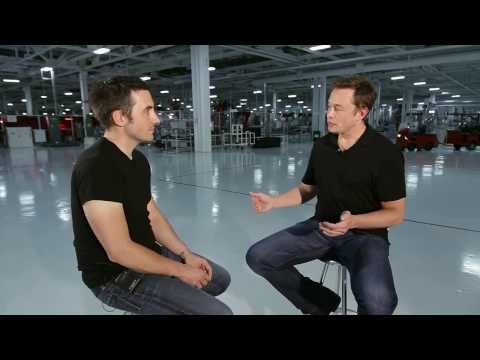
The First Principles Method Explained by Elon Musk
About this video
A short excerpt of Elon Musk, interviewed by Kevin Rose, explaining first-principles reasoning with the example of the car versus improving horse carriages. He warns it takes much more mental energy than reasoning by analogy.
Why it appears in the archive
HN cites it as the standard illustration of reasoning from first principles, including his battery cost example.
AI-generated summary and labels from the source dataset; verify important details against the video. Source & credits.
From the Hacker News discussion
It's up to you. You should have much more knowledge in the agriculture field than most people. I believe it makes no sense that you discard the knowledge you already have. You can apply data science methods with the knowledge that you have going to work or creating a new company that works in agriculture using new methods. Do you want to spend your life doing surveillance and spying on people like everybody else? This is fashionable but people are starting to resist and develop antibodies for it as they understand it more. The TV or the phone that I bought spying or me is not acceptable. Agriculture will grow enormously in the future with things like LED and other methods to give energy to plants, or plankton or whatever. Drones controlling pests or humidity or temperature. Using natural insects predators for bio farming. Growing materials like cotton directly from cell's cultures. The methods that are used today for growing marijuana indoors will be applied for more common things when prices go down. Nobody better than you to identify the markets that will grow in the future. It is also a very good idea if you know (or associate with someone who knows) economics and marketing and selling. Reason from First principles is extremely useful for identifying new waves that will carry you in the future with no effort. [VIDEO] All those things are hard problems. I have worked on those in the south of Spain and in Holland as engineer and entreprenour. The real life is not Academia, y
Read original comment ↗Meetings with Cook could be terrifying. He exuded a Zenlike calm and didn't waste words. "Talk about your numbers. Put your spreadsheet up," Okay, why in the world are we, supposed 21st century intellectuals, supposed to be looking at a leader who asks for quantification and hard data as somehow unusual and harsh? If I assume that the writer knows his audience well, implications of this for how WSJ readers generally think is, frankly, breathtaking. We don't live in the world wishfully imagined by the Romantic Era! We live in a world ruled by mathematically-based laws best understood from first principles. The "Rule of Cool" is not going to suspend the laws of physics and economics for you just because you greatly impress a bunch of bipedal primates on a particular planet. < [VIDEO] > This is especially true for startups! However many of us fail to comprehend this because we forget that human beings are not omniscient. Just because we don't yet understand how market forces are going to respond to an entirely new product category or an entirely new class of transaction or entirely new kind of company doesn't mean that the laws of nature and economics have been suspended for the rule of cool. It just means our squishy little chemical-bag brains haven't processed the new situation enough to codify it and share the information through our culture. Not fully understanding something Does Not Justify Woo! (And disturbingly, you don't have to search very hard in the startup scene to f
Read original comment ↗Seems like a flawed way to think: In most other countries people pay higher taxes, in the US people pay less in taxes, therefore I can't see why taxes should be lower. How about reasoning from first principles? [VIDEO]
Read original comment ↗Sure. For example, everyone knows that it is far too expensive to build an electric car because battery prices are far too high. Don't make that mistake! [1] [1] [VIDEO]
Read original comment ↗