 HackerTube.runGood videos, with context.
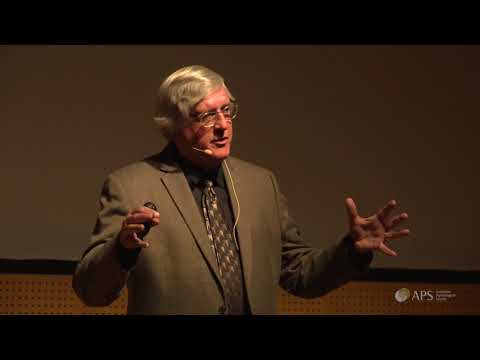
How to recover from depression
About this video
Clinical psychologist Dr Michael Yapko draws on forty years of practice and research to explain skills that help people recover from, and even prevent, depression. He emphasizes cognitive and social factors beyond medication.
Why it appears in the archive
HN commenters recommend it as a comprehensive talk on depression, and one says it helped them through a bad period.
AI-generated summary and labels from the source dataset; verify important details against the video. Source & credits.
From the Hacker News discussion
For anyone experiencing depression right now, this video helped me immensely at one point in my life [0]. CBT has also changed my life; I highly recommend the book 'Feeling Good'[1]. [0] - [VIDEO] [1] - [LINK]
Read original comment ↗For the cognitive aspect of depression a nice comprehensive and dense video I found is [0], key factors in slide at 24:10 and the reasons for this approach are at a slide at 23:00 including why a medication only approach is intractable in the long term. [0]: [VIDEO]
Read original comment ↗This 2018 talk from Dr Yapko, "Keys to unlock depression: Why skills work better than pills" - [VIDEO] - suggests a multidimensional viewpoint rather than purely biological. He says the causes are: 1. Biological. He says "Yes, biology matters, but surprisingly not as much as you would think, that when we look at what’s termed genetic variance, how much do genes play a role in depression? Is there a depression gene? No. Are there genes that make people vulnerable to depression? Definitely. So if we look at biochemistry, yes it’s a factor. If we look at disease processes, there are many diseases where depression is a predictable consequence. If we look at drugs, there are many drugs that have depression as a predictable side effect. Biology matters, but when we look at genetic variance, that figure is between .3 and .4. That represents a mild, moderate at best, genetic influence." 2. Psychological. In particular what is known as "Attributional/Explanatory style" ( [LINK] ), i.e. the person's habitual or reflexive way of attaching meaning to life events. He says "It isn't what happens to people that increases their risk for depression so much as how they interpret and respond to what happens to them." 3. Social At the end, he says "the goal is not to cure depression, the goal is to learn how to manage your mood. You don't exercise once and now you're done with the exercise thing."
Read original comment ↗This reminds me of a talk by Michael Yapko titled "Keys to unlocking depression" [1], where he said: "My first job was working in a psychiatric facility and I was the admissions person. It was my job to admit new patients to the unit. ... "I would interview people who had been through the worst experiences that you could imagine. People who had been raped, tortured, mutilated, people who had fled their homelands literally with bullets whizzing past their head, people who lost their entire family in one fell swoop in a plane crash or a car crash, people who had suffered the worst adversities you could possibly imagine. "When I would interview these people it would be easy to appreciate why they were broken, why they were so despairing, why they had given up on life. ... But what fascinated me clinically ... was when I interviewed people who had been through these horrific experiences, people who probably should have been depressed but they weren't, and I wanted to know why not. What is it about the way these people are coping that somehow serves to insulate them against depression?"* [1] - [VIDEO]
Read original comment ↗