 HackerTube.runGood videos, with context.
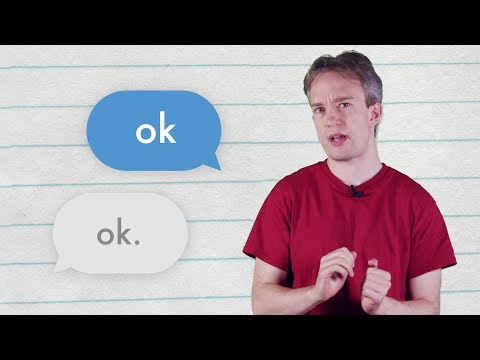
why typing like this is sometimes okay.
About this video
Tom Scott makes a short descriptivist argument that language keeps changing and that casual internet writing conventions, like lowercase typing and dropped full stops, are legitimate. It is part of his Language Files series, written with Gretchen McCulloch.
Why it appears in the archive
HN commenters cite it in discussions of punctuation, tone and emoji in chat as a short intro to how internet writing norms developed.
AI-generated summary and labels from the source dataset; verify important details against the video. Source & credits.
From the Hacker News discussion
Tom Scott has a nice intro video about this: [VIDEO] The book he mentions, Because Internet, goes into more detail. But to over-simplify, there were a few major generations of people joining the internet as well as a generation that never fully joined, and each one developed its own conventions for casual writing on their own. Some used the same mechanism to mean different things.
Read original comment ↗As Gretchen McCulloch put it: the message bubble _is_ the full stop. It did happen organically, and it _is_ an alarming event when someone who usually doesn't use full stops in chat suddenly decides to use one. Tom Scott made a video on that [0], which references Gretchen's book - Because Internet [1] [0] [VIDEO] [1] [LINK]
Read original comment ↗I use them a lot to control the tone of what I write. Since periods can indicate a serious or angry tone[1], I often need some other way to indicate a separation between two complete sentences. For example: "It looks like you forgot to do X; that's needed to do Y." Using a period could be perceived as anger, but using a comma would make that sentence a comma splice. [1] [VIDEO]
Read original comment ↗I use it to indicate tone. Proper capitalization and punctuation reads with a formal, cold tone. lowercase without caps reads with a warmer, informal tone there’s a Tom Scott Language Files video documenting it: [VIDEO]
Read original comment ↗