 HackerTube.runGood videos, with context.
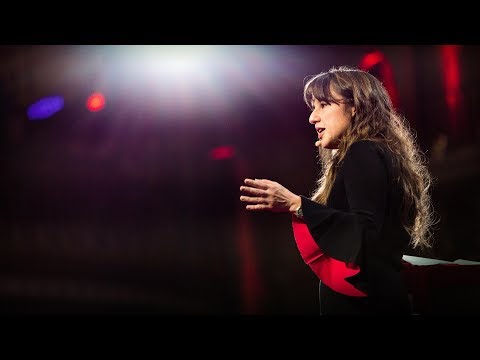
We're building a dystopia just to make people click on ads | Zeynep Tufekci
About this video
Technosociologist Zeynep Tufekci argues that the machine-learning systems used to serve ads also decide what political and social information people see. She explains how opaque algorithms can nudge, segment and manipulate users, and warns that the real danger is powerful people using AI to control populations.
Why it appears in the archive
HN commenters cite it whenever engagement-optimizing feeds, micro-targeting or ad infrastructure come up, as an accessible warning about algorithmic amplification.
AI-generated summary and labels from the source dataset; verify important details against the video. Source & credits.
From the Hacker News discussion
uBlock team is the modern times heroes fighting the good fight for us. Thanks to them I've been navigating the web with peace of mind for a long time. Sometimes I find myself thinking how our lives would be if couple of guys didn't build shitty tech startups. We've gone from creative advertising to these manipulative online marketing scams, that attack our brains, especially targeting young generation, which effects how our societies, behaviours, art and culture develop. Recommend watching: "We're building an artificial intelligence-powered dystopia, one click at a time, says technosociologist Zeynep Tufecki. In an eye-opening talk, she details how the same algorithms companies like Facebook, Google and Amazon use to get you to click on ads are also used to organize your access to political and social information. And the machines aren't even the real threat. What we need to understand is how the powerful might use AI to control us -- and what we can do in response." [VIDEO]
Read original comment ↗you may have seen it but there is a really scary Ted talk suggesting that it's possible Facebook is using deep learning techniques to optimize for engagement and they have no idea why it picks what it picks but it's possible making people choose sides and argue happens to be the best way to meet its goals [VIDEO]
Read original comment ↗This comment is highly understating the power of social media micro-targeting by dubbing it as buying a few ads on FB and running twitterbots. I would request you to check out the Ted talk by Zeynep Tufekci ( [VIDEO] ) to get a sense of how effective social media campaigns can be.
Read original comment ↗> Anecdotally of course, as one of those tech-folks who's got nothing against good and relevant ads. Be careful what you wish for. This TED talk[0] on persuasion architectures brings up some interesting moral arguments against this idea. If we generally accept that ad conversion is a metric of an ad's success, how do we handle the situation where people that are susceptible to addictive behaviors like gambling and compulsive shopping are exposed to ads that exploit their condition? Data-driven advertising systems are built particularly well to find and exploit these kinds of people. We already see this a lot in the scam call/email world. Once you fall for one, the amount of inbound traffic you receive from scammers increases dramatically. 0: [VIDEO]
Read original comment ↗That is not the case of YouTube, though. YT pushes recommended videos on you. There is an interesting speech by Zeynap Tufekci on this topic: [VIDEO]
Read original comment ↗There's literally a name for using this on purpose: stochastic terrorism. There's also a very good TED talk on this topic from 8 years ago : [VIDEO]
Read original comment ↗15m 34s, Zeynep says: "as a public and as citizens" [1] And HERE is the problem. Facebook sees us ONLY as Product (our data) that can manipulate/buy/sell - and treat us accordingly. Advertisers see us ONLY as Consumers they can sell to - and treat us accordingly. Politicians see us ONLY as Votes (not voteRs) they can snatch - and treat us accordingly. And we let them. [1]: [VIDEO]
Read original comment ↗> Now, is it worth discussing the enormous power Google has over people's perceptions as a result of their market dominance? Absolutely. There was a TED talk covering this titled "We're building a dystopia just to make people click on ads"[1]. It talks about how the same ad serving infrastructure that can segment populations into whether they are likely to buy X, can also segment people by political affiliation. Then you can simply target them and remind them to vote on election day (and it actually works and statistically affects voter turnout/results). It is kind of crazy to think that the next election might be won by whoever can make a deal with Google/Facebook to target the precise swing voters they need. Facebook/google might even do the kingmaking themselves if they can figure out how to do it without backlash/leaks. [1] [VIDEO]
Read original comment ↗