 HackerTube.runGood videos, with context.
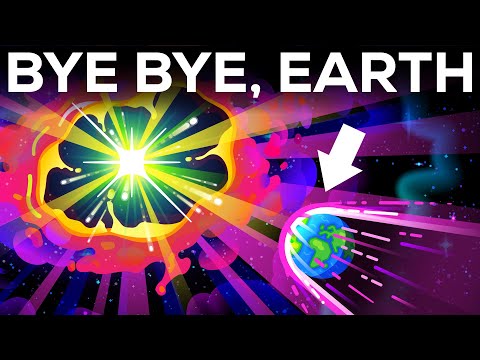
The Most Extreme Explosion in the Universe
About this video
A Kurzgesagt animation on supernovae, the most powerful explosions in the universe. It explains their role in creating elements and what would happen to Earth if one occurred nearby.
Why it appears in the archive
HN cites it for how unlikely supernovae are as extinction events and how distance determines their impact.
AI-generated summary and labels from the source dataset; verify important details against the video. Source & credits.
From the Hacker News discussion
Kurzgesagt just did a vid on black holes and how close they have to be before we're f'd. The Most Extreme Explosion in the Universe [VIDEO]
Read original comment ↗While I like the ambition, supernovae turn out to be one of the least likely extinction scenarios. Their video on this points out why: [VIDEO] there aren’t any stars close enough to do damage in that time frame. I used to worry (as one does) in my 20s about quasars, but those are basically sniper rifles being fired in random directions. The probability of one scoring a critical hit is far less than a giant rock hitting us, which is probably the more pressing concern. I’m sadly bearish on us ever getting out of our solar system. I think AIs will be able to, but flesh and blood is ill suited for the journey. And as much as I love our mechanical overlords^Wfriends, they’re ill suited for colonization via reproduction, unless you buy the theory that swarms of nanites could really become viable.
Read original comment ↗A Type II supernova within 26 light-years of Earth is estimated to destroy more than half of the Earth's ozone layer. Some have argued that supernovas within 250-100 light-years can have a significant impact on Earth's environment, increase cancer rates, and kill a lot of plankton. They can potentially cause ice ages and extinctions. Within 25 light-years, we are within a supernova's "kill range." Fortunately, nothing should go supernova close to us for a long time. Wikipedia article: [LINK] Kurzgesagt video on the impact on Earth of supernovas at varying distances: [VIDEO]
Read original comment ↗