 HackerTube.runGood videos, with context.
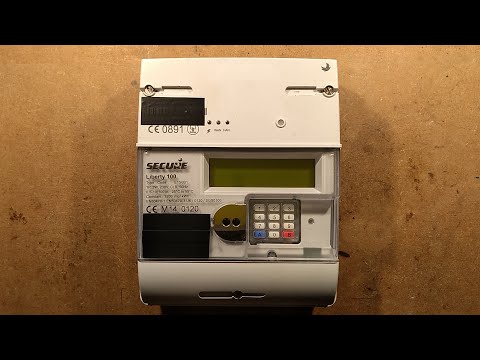
Inside a smart meter, and the REAL problem with them.
About this video
Big Clive tears down a smart meter with a wireless modem found among fly-tipped materials. He examines its internals and checks conspiracy claims about microphones, cameras and 5G.
Why it appears in the archive
Pointed to as a clear look at what is inside a smart meter, including anti-tamper switches and the cellular module.
AI-generated summary and labels from the source dataset; verify important details against the video. Source & credits.
From the Hacker News discussion
> You probably shouldn't leave a sensitive device unattended anyway I find this area fascinating in terms of how you protect devices that are both sensitive, and need to be left unattended in someone else's possession. One of the best explorations I've seen of this is Big Clive's tear down of a smart meter. The thing is absolutely full of anti-tampering measures, including several switches that will cut off the power supply if the casing is removed, but most interestingly to me the cellular modem being connected to a big capacitor designed to give it just enough power to send out a last cry for help even if the entire radio module is pulled off the meter. [VIDEO]
Read original comment ↗The one I saw used BT4.2 to talk with the meter, and cellular network to push data to cloud (IIRC). The video is at [VIDEO]
Read original comment ↗In the UK, yes. You can see a UK smart meter being taken apart here [1] with the GPRS module shown at around the 2 minute mark. And you can look at meter datasheets [2] which list GPRS WAN as a feature. Smart meters often send a reading every 30 minutes. Some energy companies will then show a breakdown on their website that purports to show how much you're spending on lighting, fridges, appliances and things like that [3]. I suspect they use a lot of guesswork to arrive at that breakdown, given the limited input data. Although it's probably fairly easy to recognise certain multi-hour-and-distinctively-large loads, like EV charging and heat pumps. [1] [VIDEO] [2] [LINK] [3] [LINK]
Read original comment ↗