 HackerTube.runGood videos, with context.
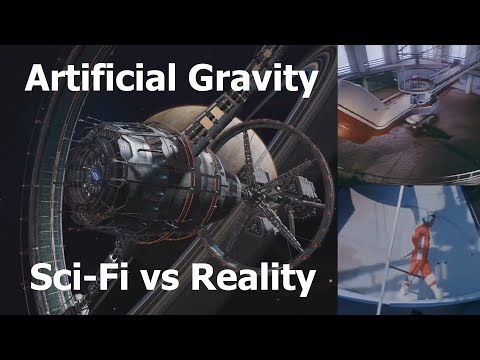
Can The Human Body Handle Rotating Artificial Gravity?
About this video
Scott Manley surveys the research on whether people can adapt to rotating artificial gravity, from early Soviet centrifuge tests to modern studies. He concludes it is an engineering problem and discusses Coriolis effects and station radius.
Why it appears in the archive
Linked as the clear explainer on rotational gravity and its Coriolis oddities.
AI-generated summary and labels from the source dataset; verify important details against the video. Source & credits.
From the Hacker News discussion
Scott Manley did a video looking at this, it’s a good and informative watch: [VIDEO] The gist is that is actually doable at the same(ish) scale as the ISS. Bigger is better but we can do it at a radius as little at 40m.
Read original comment ↗YouTuber Scott Manley has a great video on artificial gravity in space, including concepts that resemble the article's proposal: [VIDEO] Before I watched the video, I didn't know the Soviet Union tested a (small) centrifuge for artificial gravity in space back in the 70s: [LINK]
Read original comment ↗Does this address the Coriolis effect and other issues that make rotational "gravity" feel really weird compared to actual gravity (6:58 [VIDEO] )?
Read original comment ↗Why not just use rotation to generate artificial gravity via centrifugal force? I guess the answer could be that the sideways motion will drive you crazy due to coriolis forces? See 6 minutes in [VIDEO] But they can just substitute windows with monitors that compensate for the view. Incidentally, the viewscreens on Star Trek etc. always had the ship right side up, so they probably compensated exactly in this way :)
Read original comment ↗Relevant Scott Manley video: [VIDEO] Relevant tom Scott video: [LINK] There is a lot of research, but it’s not as simple as operating under real gravity. Makes many movements harder and can result in getting sick.
Read original comment ↗