Separate a theory of thinking from a claim about experience
Consciousness & cognition videos
Consciousness and cognition overlap, but they ask different questions. These videos offer an argument about analogy in thought and a popular explanation framed around the relationship between the brain and the sense of self.
An organizing thesis and a provocative example
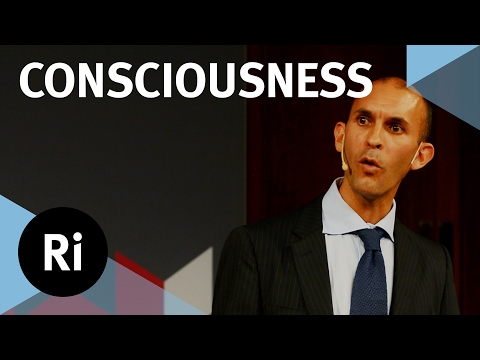
Hofstadter’s lecture is the stronger entrance if you want a specific thesis about how concepts and analogies contribute to cognition. Grey’s short explanation uses a striking question about the divided brain to prompt reflection on selfhood. Choose according to the question, not the dramatic promise of a title. Keep a proposed cognitive mechanism separate from the harder claim that it establishes what subjective experience is, or how many experiencing subjects a system contains.
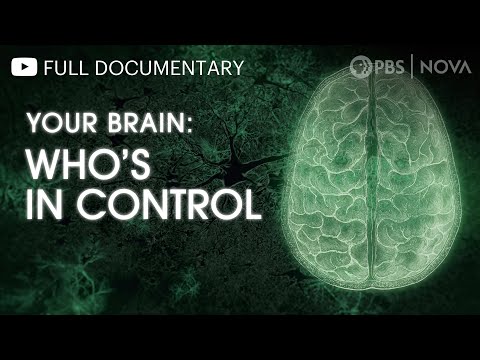
Choose Grey’s brief brain-and-self explanation for an accessible question to investigate further. Treat the title’s framing as an invitation to inquiry, not a clinical conclusion.
Does the argument explain a cognitive ability, describe a reported experience, or propose what consciousness itself consists of?
What evidence would distinguish the speaker’s preferred interpretation from another account of the same behavior?
A popular divided-brain explanation should not be read as a settled count of minds in every person. Neither selection resolves the scientific and philosophical debates about consciousness.
By HackerTube Run. Updated . We compared source-video titles, available uploader descriptions and the linked archive records. The choice of starting points and viewing questions is our editorial guidance. These notes do not claim full-video viewing or independent expert review.
The complete list below preserves the October 31, 2026 snapshot and its original score order. Its labels and summaries include AI-generated source material; topic membership is broader than our selected starting points. Availability and factual claims can change. Suggest a correction.
All 60 videos in this archive topic
Browse the full snapshot after choosing your starting point.
 HackerTube.runGood videos, with context.