LLM and generative AI videos serve different starting points. Choose a visual explanation if attention and embeddings are unfamiliar; choose a coding lecture only after you can already train and evaluate a small model.
Understand the diagram before reproducing the code
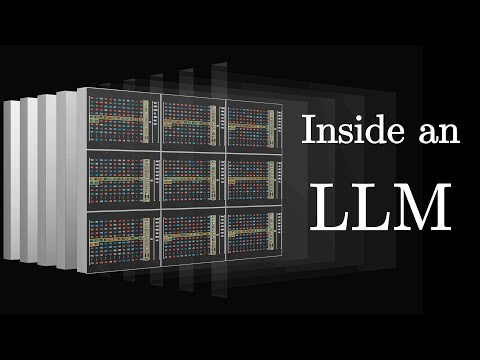
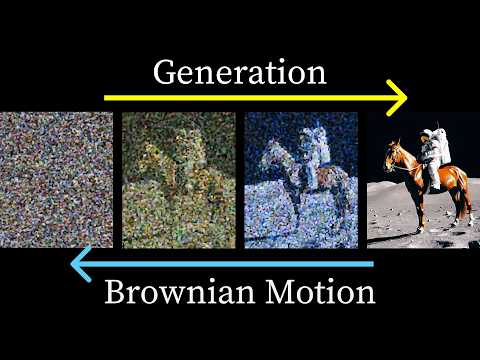
3Blue1Brown offers a visual route into Transformer ideas. Karpathy’s GPT lecture is a later implementation route with real prerequisites, not an equally easy alternative. The machine-learning guide links the intervening course lessons. Whichever route you take, distinguish token representation, attention, model training and the behavior of a deployed chat product; they are connected stages, not interchangeable explanations.
Choose the GPT implementation after the earlier makemore material and PyTorch foundations. Its existing viewing guide includes the author’s prerequisites, corrections and original code.
What information can a token attend to, and how does the causal restriction change training and generation?
Which capabilities follow from the model architecture, and which depend on training data, post-training or product tooling?
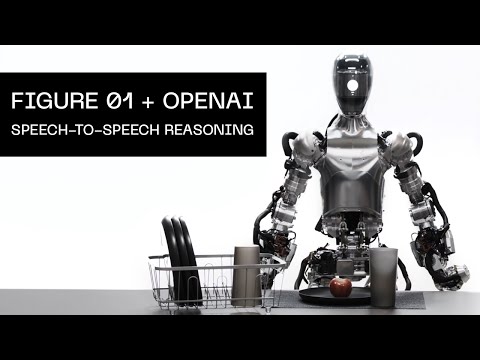
Product demonstrations and API details age quickly. Neither an architecture explanation nor a small training run verifies the reliability of a current commercial model.
By HackerTube Run. Updated . We compared source-video titles, available uploader descriptions and the linked archive records. The choice of starting points and viewing questions is our editorial guidance. These notes do not claim full-video viewing or independent expert review.
The complete list below preserves the October 31, 2026 snapshot and its original score order. Its labels and summaries include AI-generated source material; topic membership is broader than our selected starting points. Availability and factual claims can change. Suggest a correction.
All 108 videos in this archive topic
Browse the full snapshot after choosing your starting point.
 HackerTube.runGood videos, with context.